Harlan Landes / Article
Work & Life
The parts of work I want to keep
Financial independence gives you more say over the place work occupies in your life. Using that choice means understanding what you get from work besides income, what it asks of you, and whether that exchange still makes sense. Being able to afford to stop doesn’t answer all of that.
For me, the attraction has consistently been learning, thinking through problems with other people, and participating in a community. Having a family has changed how much time I’m willing to give those things. I still want them in my life. They have more competition now, and I’m happy about that.
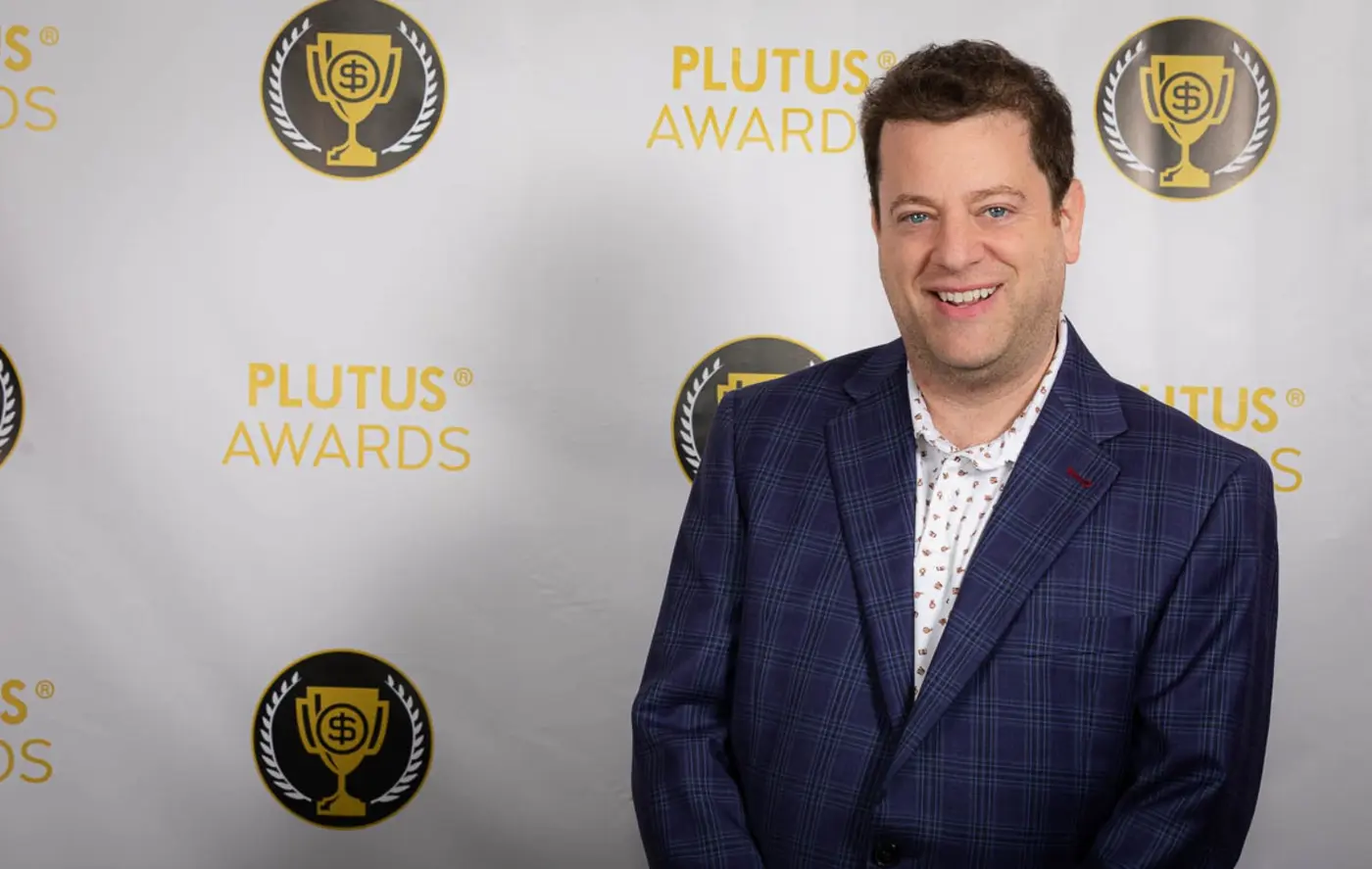
At the recent Plutus Impact Summit, I shared a difficult period in my life that I rarely discuss publicly. I wanted to give people context for my drive to do the work at Plutus.
The response went further than I expected. People told me they related to my history and values. Some were in tears over the transformation in my life. The conversations afterward gave me a new appreciation for what I had been through and what sharing it could offer someone else.
After years of writing about financial decisions, it was moving to hear that my experiences could help people look at their own lives differently. Those conversations are something I would want to keep having even if I stepped away from my formal role.
That distinction, between a role and what I value within it, has followed me through several changes in my working life.
What was worth keeping
My first boss at Prudential was the CFO of the International Investments and Insurance division. He welcomed my curiosity about the company and the industry, including questions about things I found troubling. I enjoyed seeing how senior leadership worked and learning from someone willing to have a candid conversation.
Corporate life generally was a poor fit. The rigidity bothered me, and I often struggled to find the kind of connection I wanted. By the time I left, that first position was already behind me. I was an accounting associate, and I didn’t miss being an accounting associate. There is no unfinished business between me and that job title.
The earlier relationship was valuable. It wasn’t a reason to remain in a career that didn’t suit me.
Selling Consumerism Commentary to QuinStreet presented a more complicated version of that decision. QuinStreet kept me on for continuity after buying the business. My involvement began as a contractual obligation, but the business was my baby, and I wanted it to continue to succeed. I stayed involved in its development and performance because what happened to it mattered to me.
That ongoing freelance work kept me connected to the personal finance community during the period between the sale and the start of the Plutus Foundation. It also kept me thinking critically about money and financial independence from perspectives other than my own. I was happy to do that work. Calling it an obligation would leave out much of what made the arrangement worthwhile.
At Prudential, a relationship I valued belonged to an environment I was ready to leave. After the sale, there were reasons to continue beyond what the contract required. In both cases, getting specific about what I enjoyed explains the decision better than whether I needed the paycheck.
A worthwhile commitment still takes time
At Plutus, those reasons are easy to identify. Recently, our team worked through a new focus for the Impact Summit and the organization. I enjoyed considering the possibilities and how we could best serve the community. Strategic discussions and community interaction are the parts of my role I would most want to retain.
But having good reasons to do something doesn’t establish how much of your life it should occupy. That is where my answer has changed most.
I want to spend as much time as possible with my wife and our two kids. I want to be there for the milestones. My wife has her own work and activities, and I don’t want my commitments to leave her managing everything on her own. A trip that fits my calendar still asks something of her.
So I travel less and skip conferences I used to attend. I’m more careful about projects that need a lot of my individual attention unless I have help. New commitments have to fit closely with my current work or be something I’m particularly enthusiastic about contributing to. The chance to learn something new will probably always appeal to me. It has yet to produce any additional hours in the week.
Skipping conferences is an easy choice, although I miss seeing people I’ve grown close to over the years. I would enjoy being there. Missing them doesn’t mean the decision is wrong. It means there’s something worthwhile I’m willing to pass up.
That’s what choosing the place of work in my life looks like now: fewer trips, help with projects, and a higher bar for new responsibilities. The Summit reminded me why I want to participate. Family shapes how much I take on.
Financial independence gives me more room to make those choices. Enjoying the work and the people is a reason to keep some of it in my life. It doesn’t obligate me to accept everything that comes with it.
The parts of work I want to keep have been fairly consistent. How much of my life I give them is allowed to change.